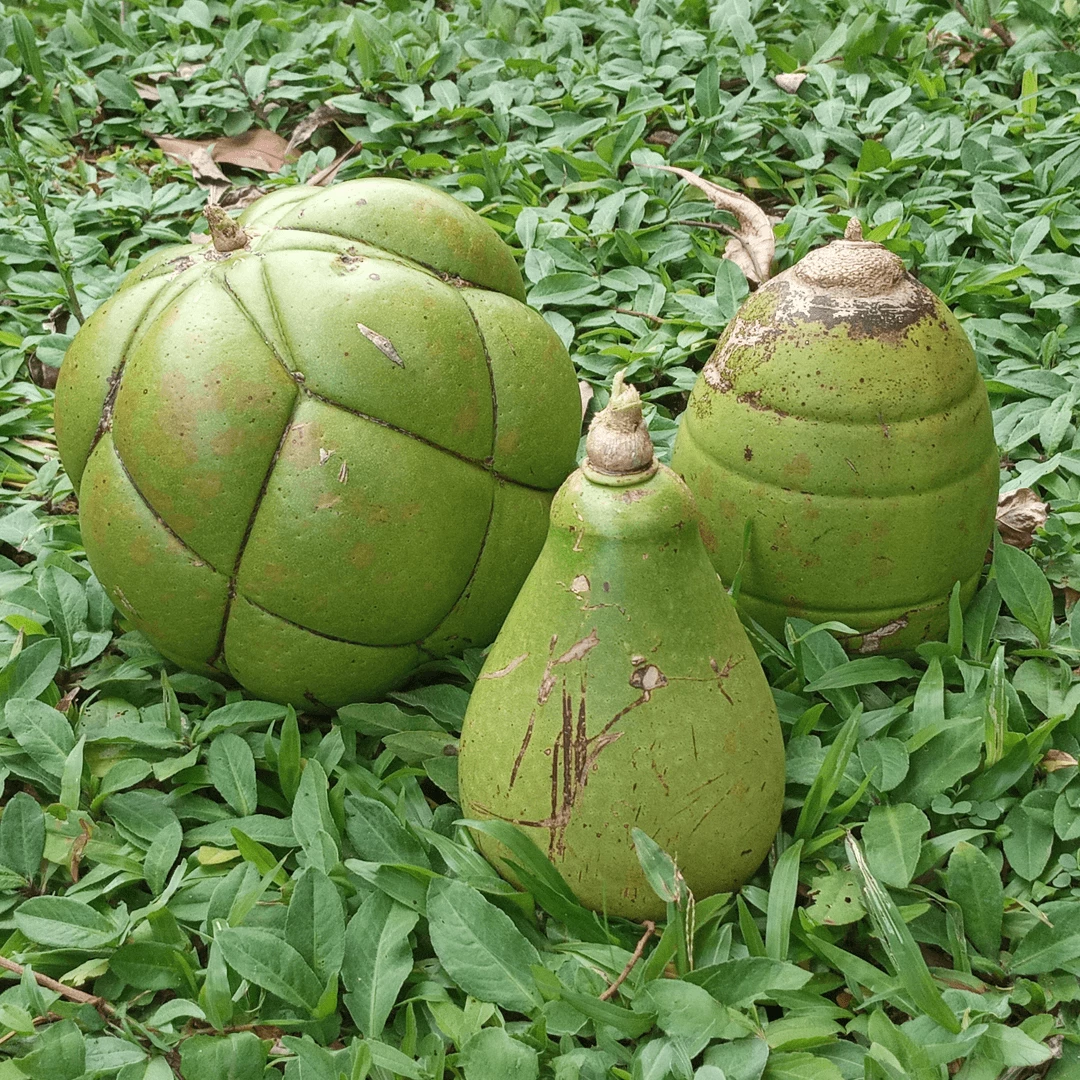
Friday, June 5 — 15h00 — Duration: 2 hours
Designing with a tree: from fruit to object
Learn how to work with the Crescentia cujete tree, whose fruits become ‘cuias’—lightweight vessels used across Latin America. Through discussion and hands-on experimentation, participants explore what it means to design with a tree, engaging with traditional Amazonian objects and rethinking the relationship between making, materials, and living systems.
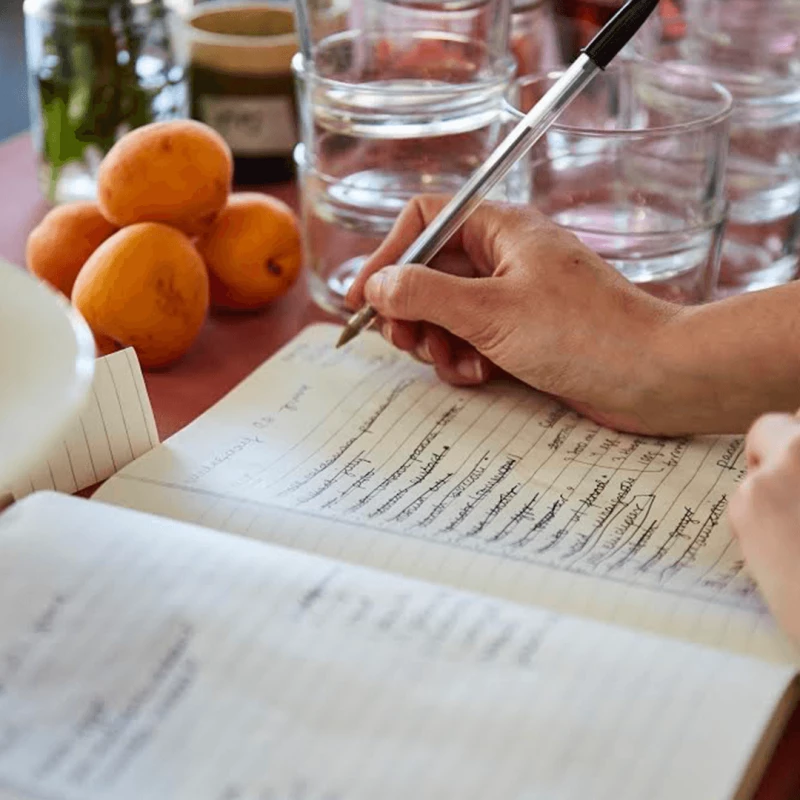
Friday, June 5 — 15h00 — Duration: 3 hours
Beyond the recipe: writing food and memory
Use the recipe as a starting point to think beyond instructions. This workshop explores food as a language, looking at gestures, memories, and sensory elements around cooking and sharing. Through discussion and writing, participants deconstruct and rewrite recipes to express personal experiences, ideas, and stories connected to food.
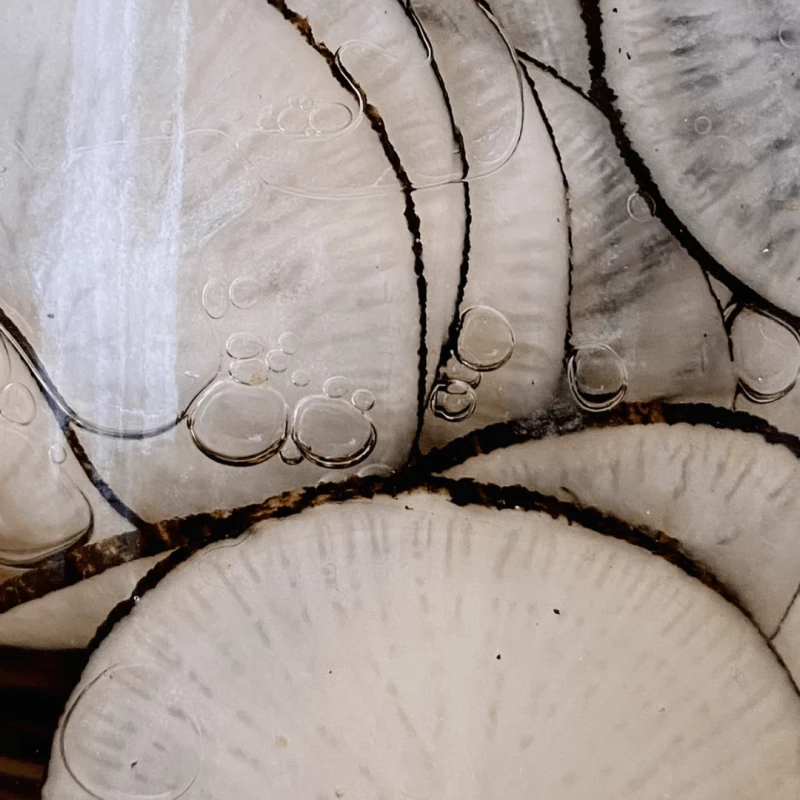
Friday, June 5 — 15h00 — Duration: 2.5 hours
Invisible creatures: create and care for your own micro-ecosystem
Enter a jar where invisible life transforms food into new flavours and textures. This workshop introduces fermentation through tasting and shared making, as participants prepare a collective ferment together. Each person leaves with a living micro-ecosystem to care for, observe, and slowly understand through time.

Friday, June 5 — 15h00 — Duration: 3 hours
Create biotextiles from human by-product: hair
Human hair, often discarded and slow to decompose, becomes a material for making biotextiles. This workshop introduces simple biomaterial and craft processes, inviting participants to experiment directly with hair and rethink its value. It opens a practical view on how overlooked resources can be transformed into usable materials.

Saturday, June 6 — 10h00 — Duration: 3 hours
Carbon-negative soup: soil regeneration meets cooking
Learn how to turn waste wood into biochar using a simple, low-tech process. Participants run a full cycle together, from firing a small kiln to producing charcoal, while using the heat to cook. The session connects soil health, carbon, and everyday practice, ending with shared food and material to take home.
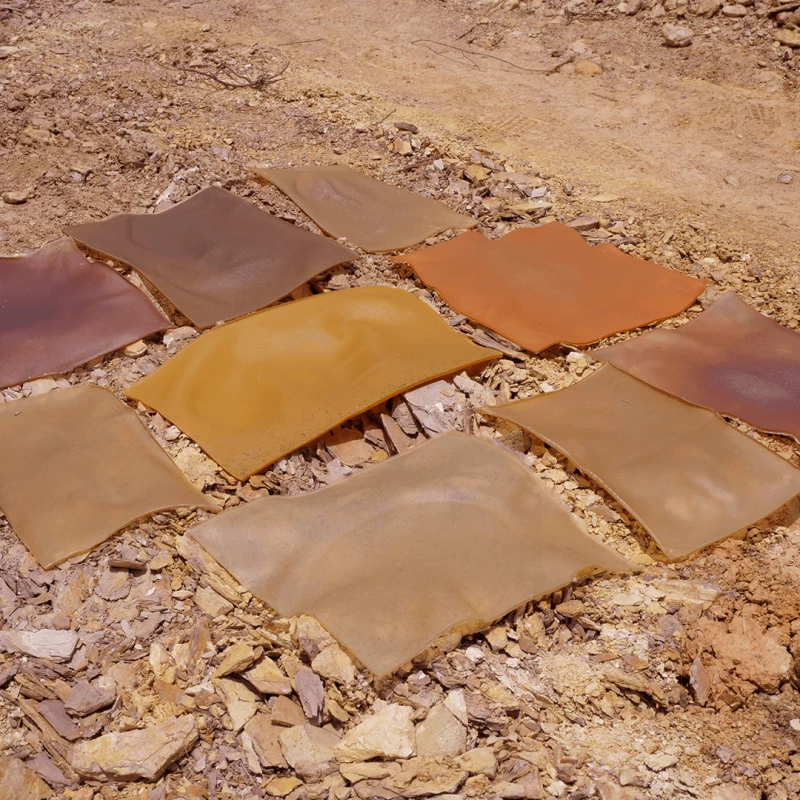
Saturday, June 6 — 10h00 — Duration: 3 hours
Biomaterials from place: exploring local ecologies through bioplastics
Develop bioplastics using ingredients linked to the Portuguese landscape, such as Alentejo soils and water from the Tejo. Through guided mixing, heating, and casting, participants test how material choices affect outcomes. The focus is on process and decision-making, connecting hands-on work with local ecological conditions.
Saturday, June 6 — 10h00 — Duration: 3 hours
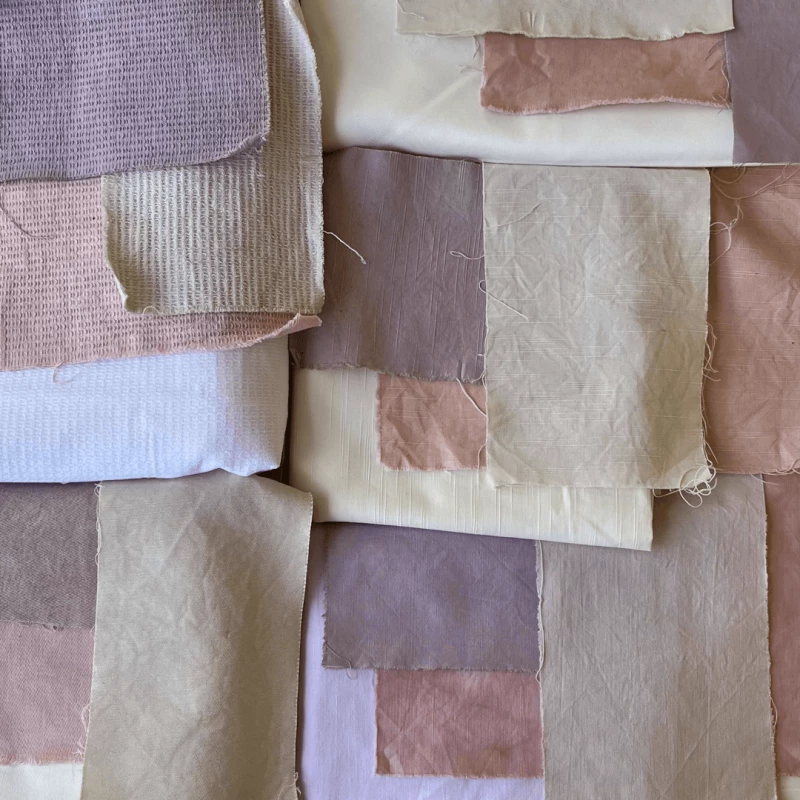
Colour and matter: exploring natural dyes and biomaterials
Work with plants and food scraps to dye textiles using simple folding and binding techniques. The leftover dye water is then reused to create biomaterials with agar agar and gelatine, testing open-source recipes. The session links hands-on making with material awareness and offers methods to continue experimenting.
Saturday, June 6 — 10h00 — Duration: 3 hours
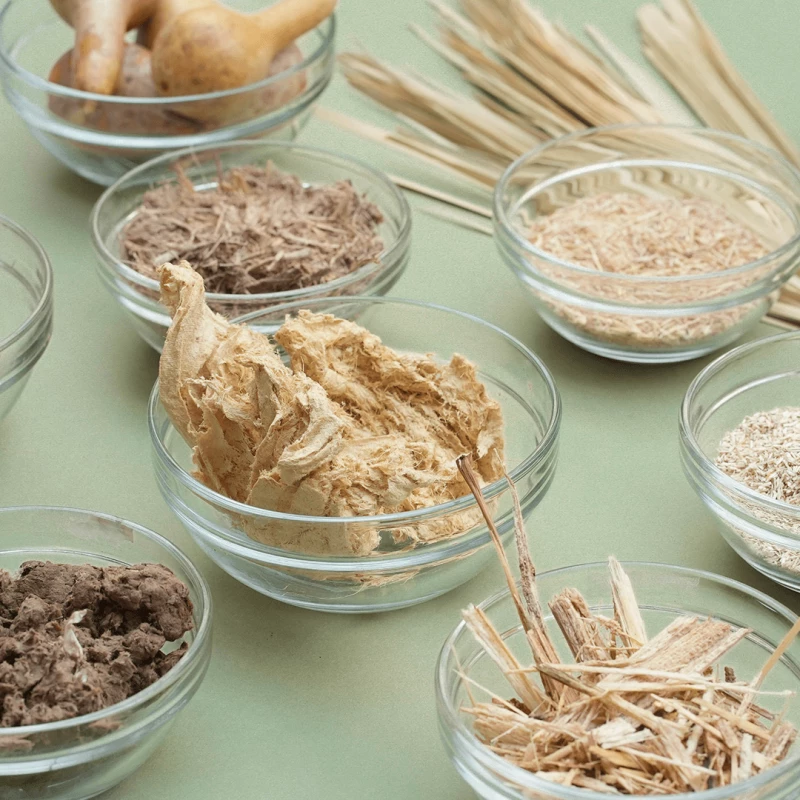
From fiber to form: local plant residues as materials for making
Explore plant fibres as a local material, from corn husks to cork and brewing residues. Participants compare their properties and origins, then use bio-based binders to create small moulded objects. The workshop offers a practical way to understand how regional fibres can become useful materials.
Saturday, June 6 — 10h00 — Duration: 2 hours
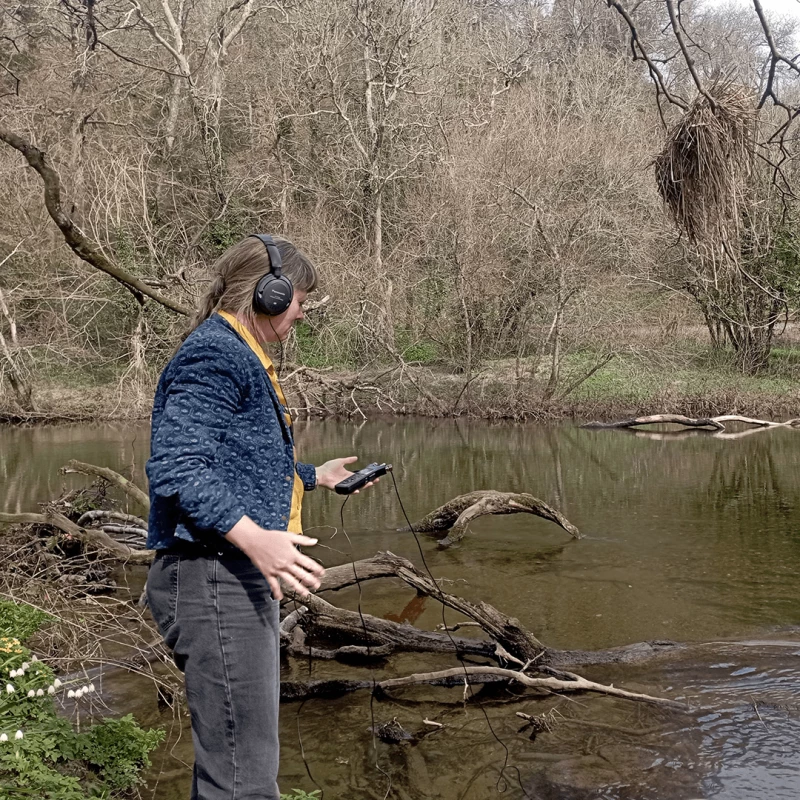
Listen to the city: a more-than-human soundwalk for regenerative design
Join a guided sound walk using headphones and specialised microphones to listen beyond human hearing—trees, soil, and water flows. Through recording and sharing, participants explore how listening to more-than-human worlds can inform their practice, opening new ways to think about design beyond human needs.
Saturday, June 6 — 10h00 — Duration: 2 hours
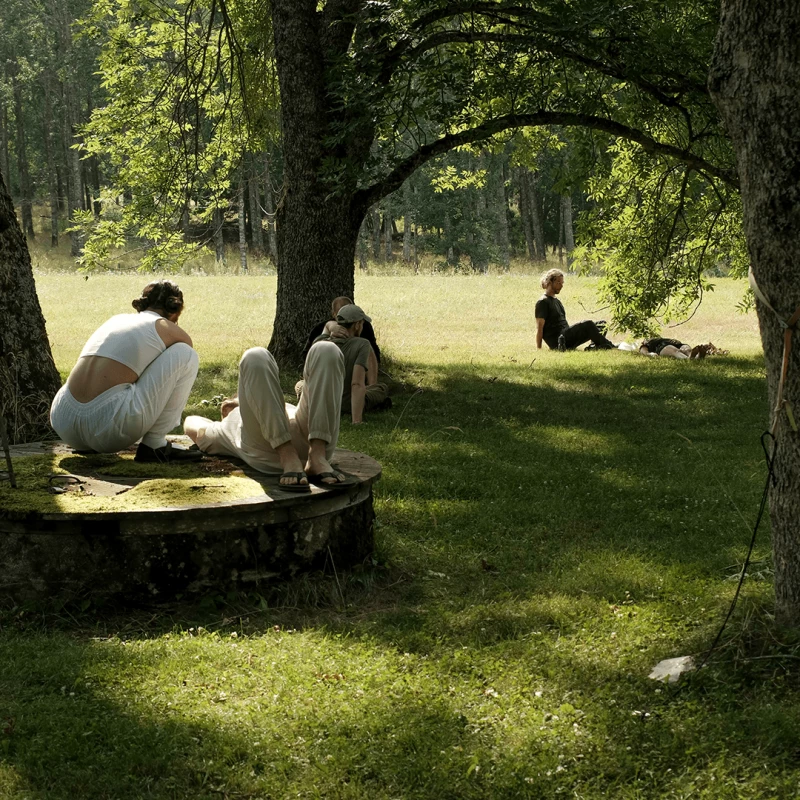
Under the morning light: practices for witnessing and writing the ephemeral
In Jardim da Cerca da Graça, participants explore the city through writing, movement, and sensory attention. The session focuses on light, sound, and atmosphere, inviting a closer reading of everyday spaces. Through guided exercises, it opens a way to notice subtle shifts and rethink how we relate to urban landscapes.
Saturday, June 6 — 16h30 — Duration: 2.5 hours
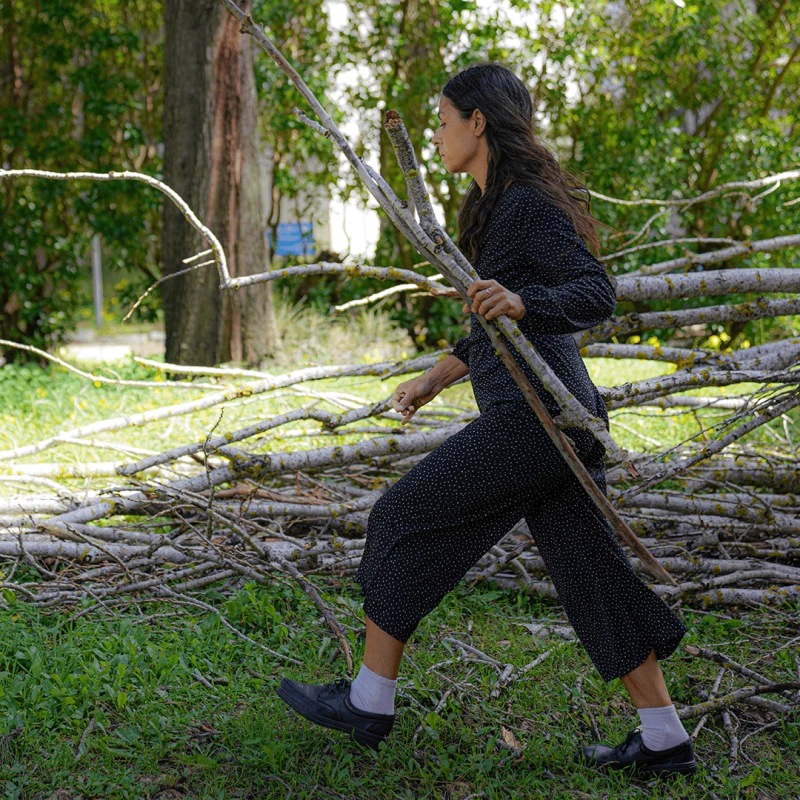
Magical materiality: natural materials, relational practices and symbolic transformation
Work with plants, earth, water, wax, and stone as materials that carry cultural and ancestral meaning. Through discussion and hands-on composition, participants explore how meaning emerges from relationships between elements, contexts, and intentions, creating small arrangements that act as symbolic expressions.
Saturday, June 6 — 16h30 — Duration: 3 hours
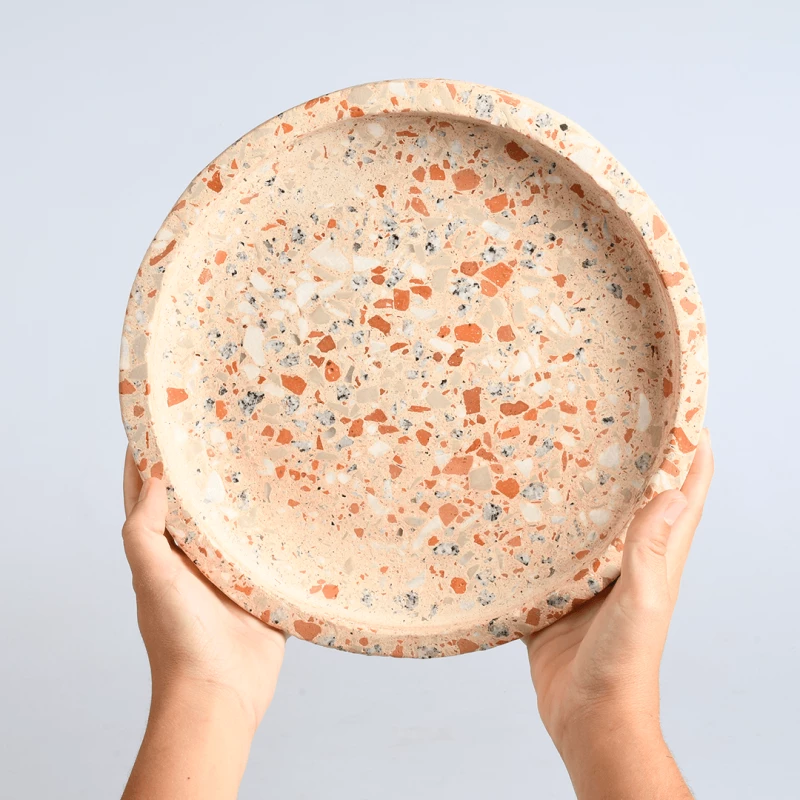
Reinterpreting terrazzo with construction and demolition waste
Use construction and demolition waste—glass, bricks, stones, concrete—to create terrazzo-like surfaces. Participants select fragments, mould a piece, and work on finishing pre-cast samples through sanding and polishing. The workshop explores how building debris can be transformed into new materials carrying traces of past spaces.
Saturday, June 6 — 16h30 — Duration: 2.5 hours
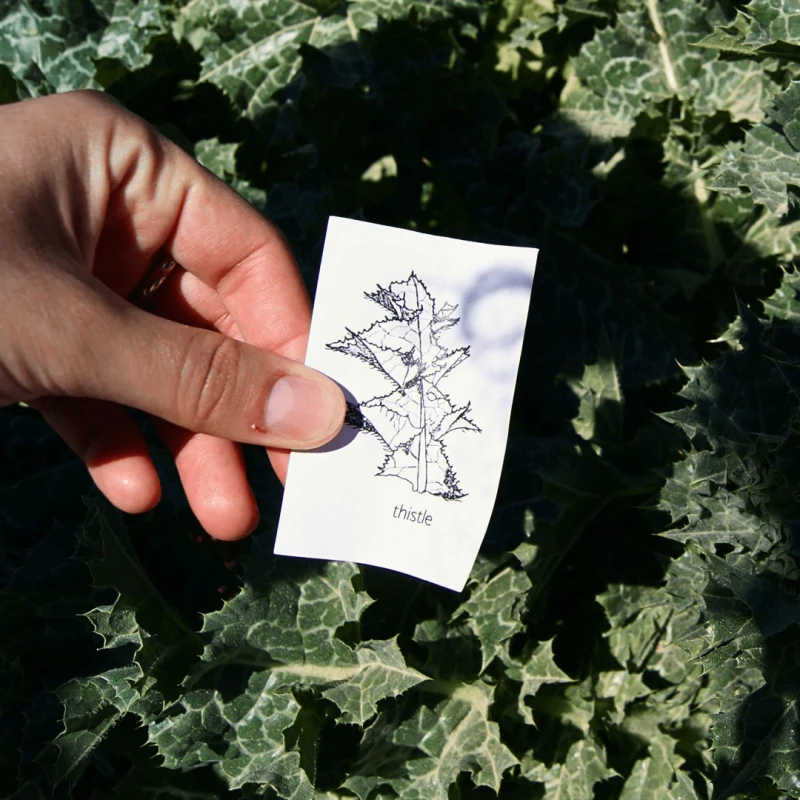
Foraging questions: thinking with wild edible plants
Walk through the city identifying wild edible plants and asking what they reveal about the environments they grow in. Observation becomes the starting point for dialogue, as the group gathers questions from the urban landscape and turns them into a shared philosophical reflection on ecosystems and coexistence.

Contact us
Gentler Futures Festival is a not-for-profit initiative by BY THE END OF MAY, a research and design studio exploring the roles of manufacturing and crafts in creating a (non-linear), (post-consumerism) and (anti-alienation) economy. If you are into open source design, distributed manufacturing, local making and regenerative materials, get in touch with us.
A project

Co-funded by
Official Partner

Institutional Partners


Academic Partner

International Partners
